Middle East Initiative


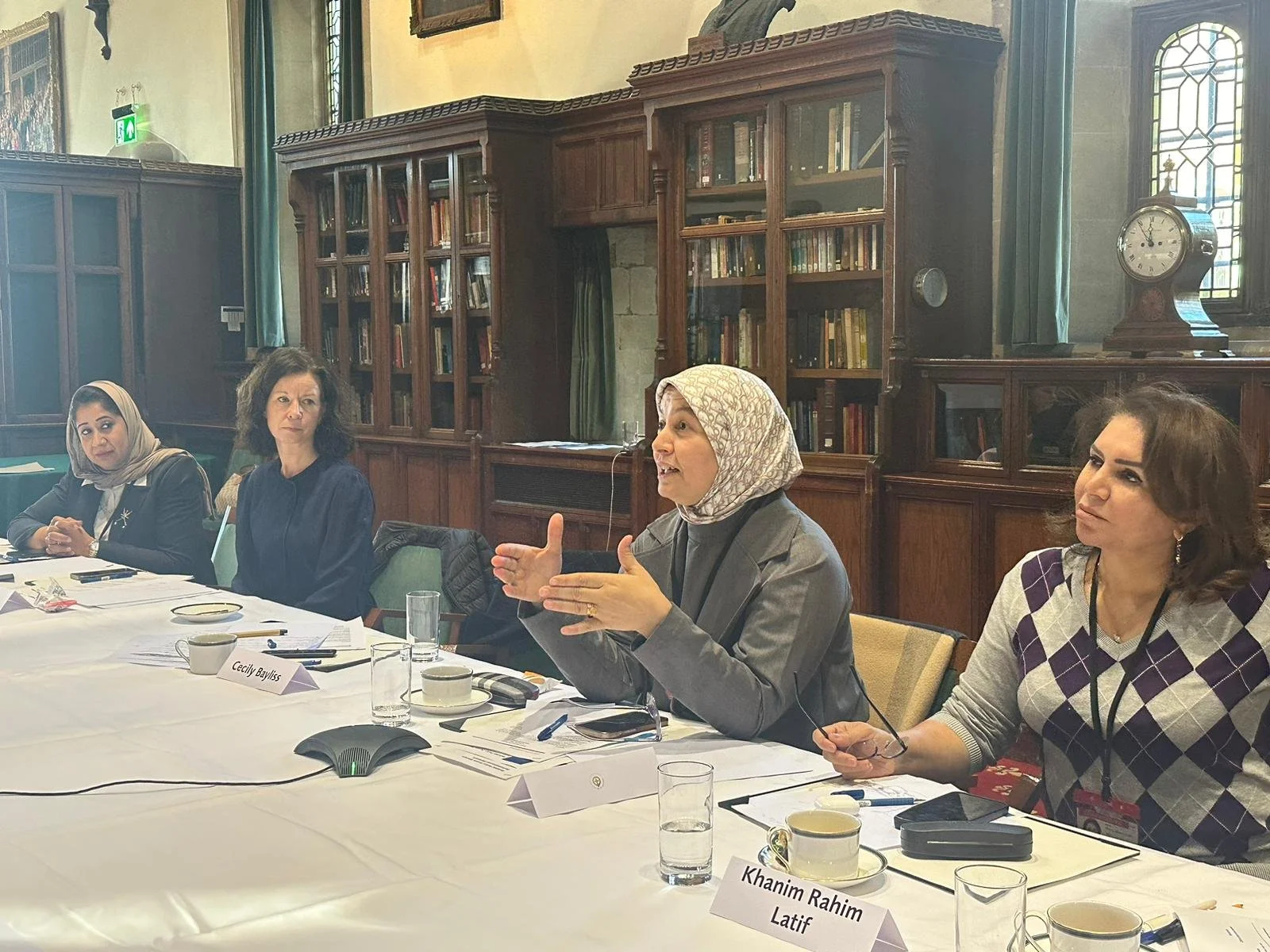
Our Middle East Initiative aims to promote a more inclusive peace process by engaging the religiously motivated Palestinian and Israeli political parties who have been previously excluded from ‘track two’ dialogue.  The Initiative aims to promote an environment of constructive dialogue between Israelis and Palestinians, by implementing a series of unilateral dialogue activities among religiously motivated and conservative political leaders on both sides.  The objective of the Initiative is to focus on bringing leaders who have hitherto been excluded from the “dialogue community” into a process of internal examination of contentious issues outstanding between the sides, and to provide them with the tools and knowledge to engage in a constructive bilateral process.

The past year has seen major upheavals in both the Israeli and the Palestinian political arenas. The elections of Hamas and Kadima have resulted in a reconfigured political map which affects not only the countries’ internal concerns, but equally challenge the future of bilateral dialogue.  In addition, the full implications of the war in Lebanon and the continued tension between Israelis and Palestinians have yet to be completely understood, and at the very least are unlikely to lead directly to a resumption of Israeli-Palestinian talks towards an eventual agreement.

Alongside its many achievements, a main shortcoming of the Oslo agreements was a steadfast failure to recognise the necessity of including religious and ideological conservatives on both sides in the peace process. As mentioned above, this legacy has resulted in a situation in which large parts of the two current leaderships were not included in, and definitely do not identify with, the principles upon which these previous negotiations were based.

Forward Thinking’s Middle East Initiative is based on our belief that as long as the voices of non-convinced constituencies are not included in the dialogue process between the sides, no long-term and sustainable solution can be reached.  The current situation, in which parties previously excluded from dialogue processes – and specifically religiously motivated political leaders – are gaining power, represents a unique opportunity to engage with them and bring them into constructive dialogue channels.  Our experience suggests that behind the rhetoric of rejection currently voiced by both Palestinian and Israeli hard-liners, both recognise the need to deal with the other.

We believe there is an urgent need to address the religious and conservative constituencies and their fears, in an effort to understand how these might be addressed, and to do so by bringing new faces and groups into the dialogue circle.  This information in turn could prove invaluable for policymakers—local and European—involved  in peacemaking efforts.  An agreement capable of resolving and transforming the conflict fundamentally requires the active engagement of multiple levels of leadership on both sides and the full participation of the various factions involved at each stage of the process.